

Overview
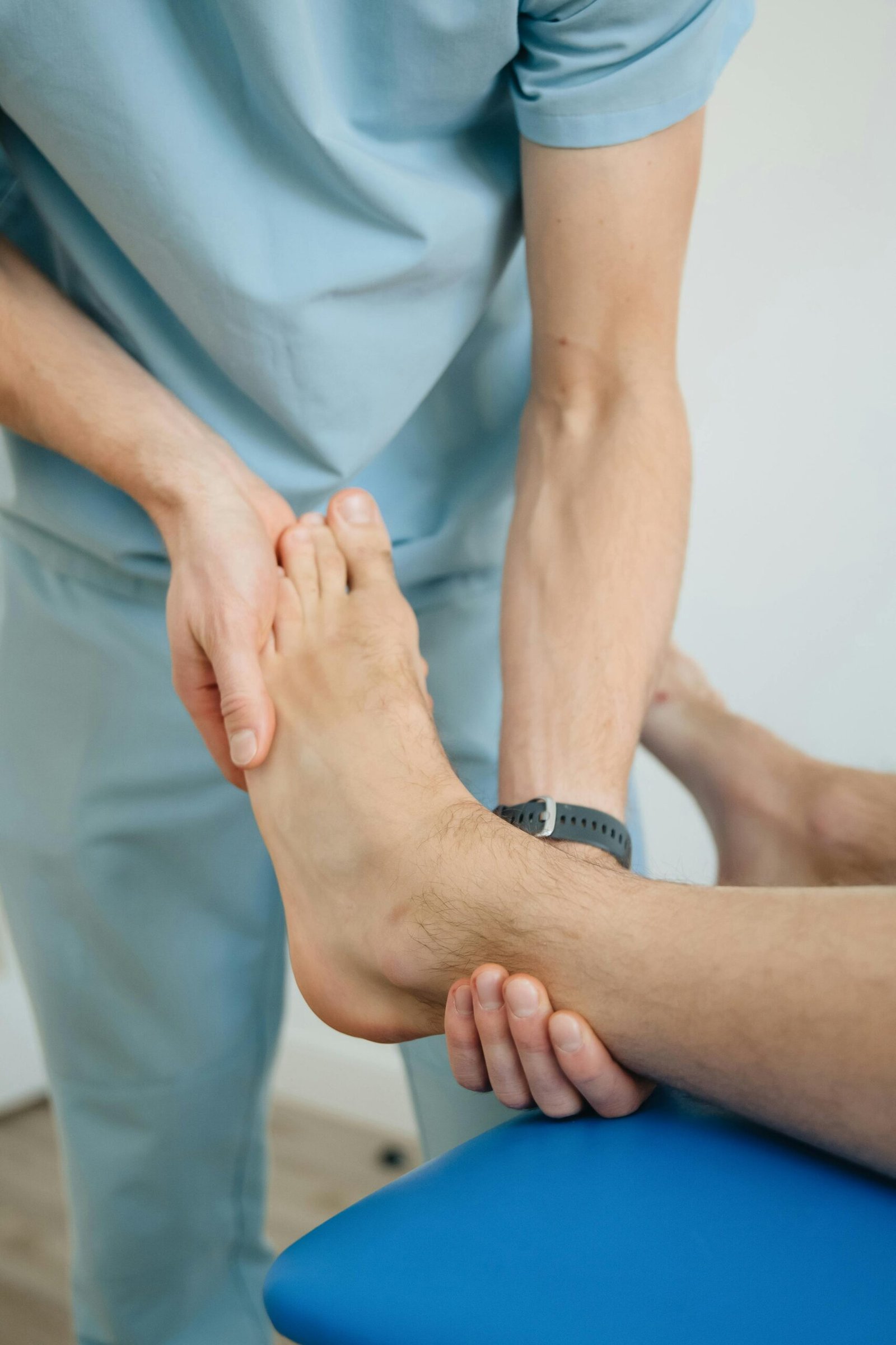
Surgery is often a major step towards healing — but it’s only the beginning of your recovery journey. Whether you’ve had joint replacement, ligament repair, spine surgery, or any other procedure, your body needs time, care, and guided rehabilitation to restore full function.
Our Post-Surgical Physiotherapy in Goa is designed to help you recover faster, move better, and return to your normal life with confidence. We work closely with you (and your doctor, if needed) to create a personalised plan that supports healing, reduces pain, and prevents complications.
At our physiotherapy clinic in Goa, we focus on safe, structured recovery that builds strength, improves mobility, and prevents long-term issues — so you can get back to doing what you love, pain-free.
Common Surgeries We Support
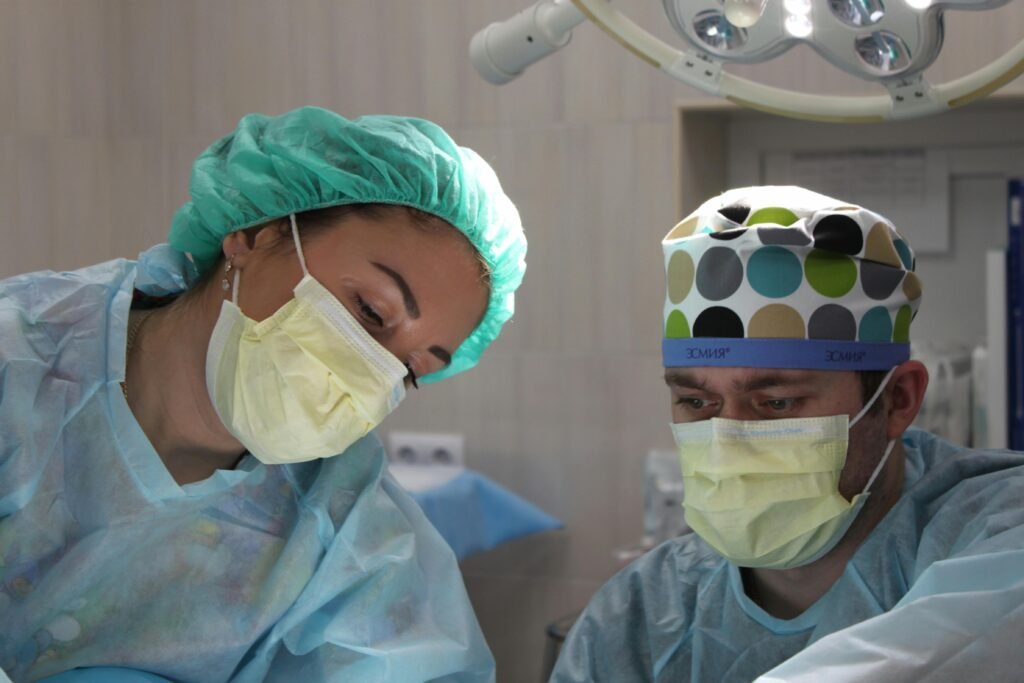
We offer post-operative rehabilitation for a wide range of surgical procedures, including:
- Total Knee Replacement (TKR)
- Total Hip Replacement (THR)
- Arthroscopic Surgeries (ACL, Meniscus, Shoulder)
- Spinal Surgeries (Laminectomy, Discectomy, Fusion)
- Fracture Repairs with Plates, Rods, or Screws
- Rotator Cuff Repair or Shoulder Stabilisation
- Post-Cardiac Surgery Recovery
- Abdominal or Pelvic Surgeries
- Post-Cancer or Reconstructive Surgeries
Each surgery is unique — that’s why your physiotherapy program is tailored specifically to your type of procedure, recovery timeline, and health status.
Common Complaints After Surgery
Many patients experience symptoms that can be improved significantly with physiotherapy, such as:
- Pain or swelling around the surgical site
- Joint stiffness or reduced range of motion
- Weakness in nearby muscles
- Difficulty walking or bearing weight
- Poor posture or imbalance
- Fear of re-injury or falling
- Difficulty with daily tasks (climbing stairs, dressing, standing)
- Scar tightness or tissue adhesions
- Delayed healing or complications from immobility
If you’re experiencing any of these, Post-Surgical Physiotherapy in Goa can help speed up your recovery and improve your long-term outcomes.

Why Post-Surgical Physiotherapy Is Important
Our therapy is ideal for people recovering from:
Joint surgeries (knee, hip replacements)
Muscle or tendon repairs
Back and spine surgeries
Bone fractures and repairs
Any surgery affecting mobility or causing pain

Therapy Services We Offer

Home Exercise Programs
We design customized home exercise programs that fit your lifestyle and recovery needs. These easy-to-follow routines help you stay active, strengthen muscles, and maintain progress between therapy sessions—all from the comfort of your own home.
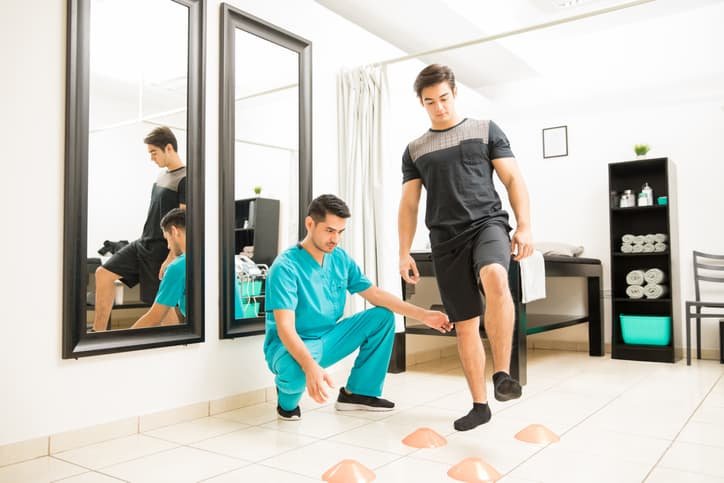
Gait Training with Assistive Devices
We provide specialized gait training using assistive devices like walkers or crutches to help you regain safe and confident walking after surgery. Our expert therapists guide you step-by-step to improve balance, strength, and mobility for a smooth recovery.

Education on Safe Movement Techniques
We offer expert guidance on safe movement techniques to help you protect your body during daily activities and recovery. Learning the right ways to lift, bend, and move reduces the risk of injury and supports faster healing.

Pain Management
Pain after surgery is normal, but it doesn’t have to slow down your recovery. Our pain management approach is designed to keep you comfortable while promoting healing, so you can focus on getting back to your normal life.

Mobility Improvement
Surgery can cause tightness or reduced movement in your joints. We help restore normal range of motion using: Assisted stretching techniques, Joint mobilization exercises, and Safe flexibility drills

Personalized Exercise Programs
Our Personalized Exercise Programs are carefully designed to match your type of surgery, recovery stage, and personal health goals. In the early phase, we focus on gentle movements that prevent stiffness, improve blood circulation, and protect the healing area.
Benefits of Post-Surgical Therapy
Pain Relief
Through targeted treatments like heat/cold therapy, manual therapy, and guided movements, we help reduce discomfort without relying solely on pain medication.
Increased Mobility
After surgery, joints and muscles can become stiff. Our therapy helps restore your range of motion, making it easier to move, bend, and stretch without pain.
Faster Recovery
A structured rehabilitation program speeds up the healing process by improving blood circulation, reducing swelling, and helping tissues repair more efficiently. This means you can return to your daily routine sooner.
Better stability
Post-surgical therapy includes exercises that retrain your balance, which is especially important after leg, hip, or spine surgeries to avoid falls.
Increased Independence
Our therapy focuses on helping you perform everyday tasks confidently and safely, so you can enjoy more freedom and control in your daily life. This boosts self-reliance and overall well-being.
Reduced Complications
Our care helps lower the chances of problems like blood clots or infections by promoting safe movement and proper healing throughout your recovery.
Frequently Asked Questions (FAQ)
1. How soon should I start post-surgical therapy after my operation?
It’s best to begin therapy as soon as your surgeon recommends—usually within a few days to weeks after surgery. Early therapy helps reduce pain, prevent stiffness, and speed up your recovery.
2. Will the therapy be painful?
Therapy may cause some mild discomfort as you start moving, but it should never be intensely painful. Our therapists carefully guide you to avoid pain while improving your strength and mobility.
3. How long does it usually take to recover with post-surgical therapy?
Recovery time varies depending on the type of surgery and your overall health. Most patients see significant improvement within a few weeks to a few months with consistent therapy.
4. Can I do some exercises at home between therapy sessions?
Yes! We provide easy-to-follow home exercise programs to help you progress safely between visits. Doing your exercises regularly can speed up your healing and improve results.
5. What if I’m in too much pain to exercise?
Physiotherapy is not about pushing through pain. We start gently, focusing on pain relief and movement at a comfortable pace.
6. Do I need to come every day?
Not necessarily. Many patients start with 2–3 sessions per week, with guided home exercises in between. Your plan is customised.
7. Can you work with my surgeon’s recommendations?
Yes. We’re happy to coordinate with your surgeon or hospital to ensure continuity of care.